
Tajikistan faces an epidemic of tuberculosis
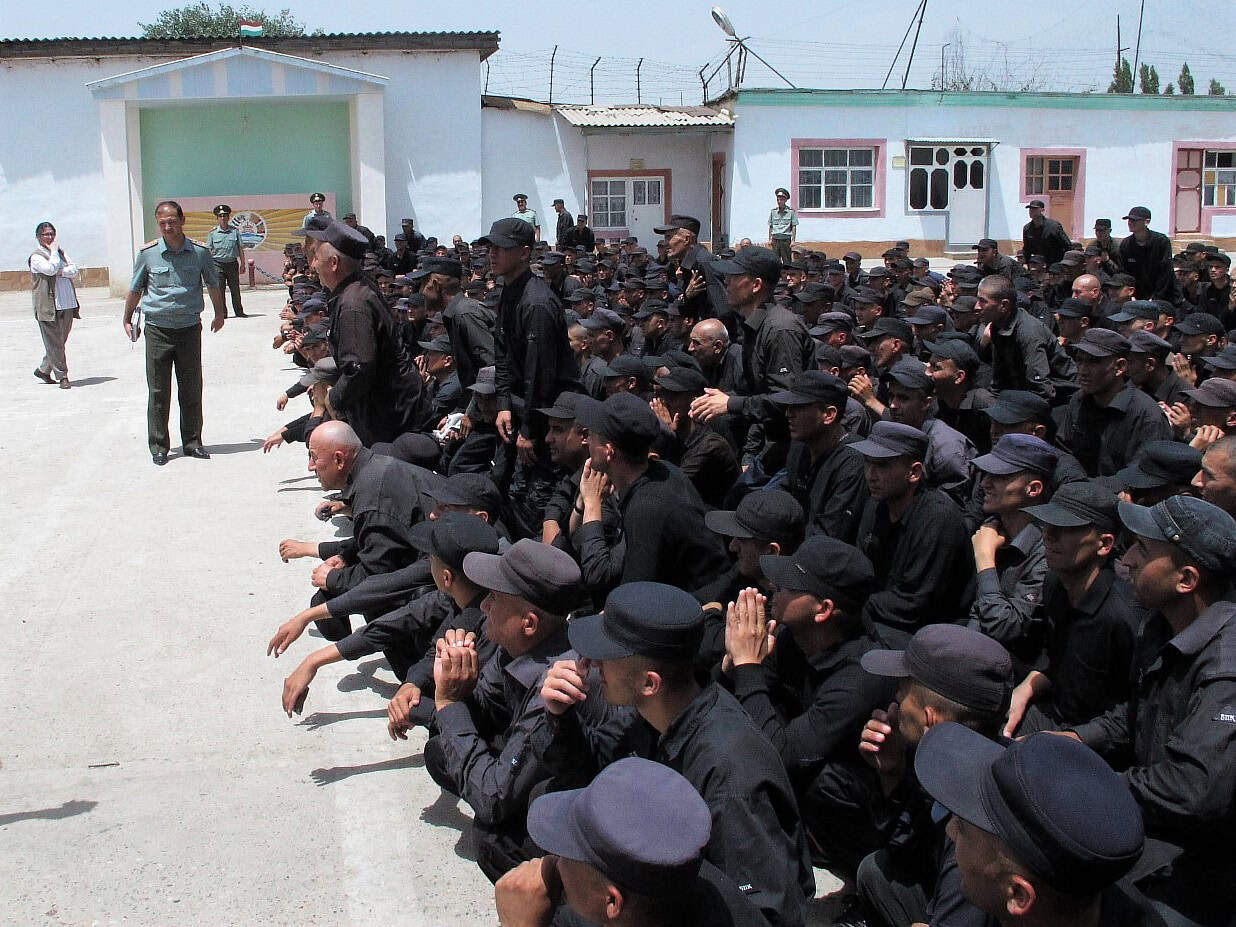
While the Tajik authorities are fighting tuberculosis, trying to reduce the number of patients, the country’s prison system has created ideal conditions for the spread of infectious diseases.
Now patients with tuberculosis and HIV, who refuse to be examined and treated, will be fined in Tajikistan. Thus, the authorities intend to reduce the number of patients who often hide their ailments, fearing discrimination.
Against the background of the authorities’ struggle against tuberculosis, the opposite situation is observed in the penal colonies of Tajikistan. According to the rules, in each colony there are special isolated rooms intended only for such patients. However, completely healthy people live in them.
As one of the former prisoners told ACCA, prison guards sell rooms intended for tuberculosis patients to prisoners who regularly pay them.
“This is due to the fact that in these rooms comfortable conditions are created, they use mobile phones, there are television and other facilities. In general, they live there as in a sanatorium,” the former prisoner notes. “Since the territory of these premises is isolated from the rest of the colony, inspections there also do not occur systematically, as for all others.”
According to another former prisoner, the amount that is paid for facilities in rooms for tuberculosis patients depends on who the prisoner agrees with. “This may be the boss or his deputies. Usually, only to settle, prisoners pay up to $500, and then there is already a monthly fee,” he says. “At the same time, each newly settled can arrange his own housing as he likes. There are a lot of moneyed people in prisons, and these rooms are not only convenient, but also safe, because in the main part of the colony there are often conflicts between prisoners and various kinds of problems. And most importantly, almost all prisons are overcrowded and prisoners live in very cramped conditions, sleeping on the floor.”
As it turned out, there are practically no restrictions for residents of the VIP zone. “Any kind of food, alcoholic beverages, drugs, prostitutes, in general, there are no restrictions for them. They live like kings,” the ACCA source said. “But real tuberculosis patients live in the main barracks with others, and can actually infect them every day.”
According to a former prisoner, there is no need to talk about any treatment for patients with tuberculosis. “Usually they hide their illnesses, otherwise they will quickly be separated from society and they will become outcasts. They are not allowed in special rooms for patients, since they cannot pay. Therefore, we were afraid to sit at the table with unfamiliar prisoners, so as not to get infected. Who could afford it, regularly did a medical examination to find out if he was infected or not.”
A former employee of one of the penal colonies of Tajikistan in an interview with ACCA said that in addition to facilities for patients with tuberculosis, almost the entire medical part of the colonies was also turned into a “sanatorium” for moneyed people. “90 percent there are absolutely healthy people who want to serve their sentences in more comfortable conditions. And the medical part is a TV, air conditioning, a refrigerator, renovated rooms, comfortable beds with white linens,” the source said. “But real sick prisoners are usually placed on the floor, in corridors or in cramped rooms, because they cannot pay.”
According to the Tajik Ministry of Justice, more than 12 thousand prisoners are being held in labor colonies. In Tajikistan, there are 18 correctional facilities, including five pre-trial detention centers, eight correctional colonies of different regimes, one juvenile correctional colony, one prison, and three settlement colonies.