
Uzbekistan: only a few independent journalists and bloggers remain in the country
June 27 is the Day of press and media workers in Uzbekistan. The authoritative international human rights organization “Amnesty International” has published a special report on how “Uzbekistan attracts foreign bloggers to its side and shuts up local ones”.
“In recent years, Uzbekistan has been opening up to the world and wants to bring the whole truth to the international community. Most importantly, you can discuss, criticize. Know that the President will always support you,” said the President Shavkat Mirziyoev in his speech to local and foreign bloggers after the opening of the first International Congress of Influencers in August 2019 in Tashkent.
The purpose of this Congress, conceived and organized by the State Committee for Tourism Development, is to arouse international interest in Uzbekistan and make it a popular tourist destination for guests from all over the world. More than a hundred bloggers and other popular and influential users of social networks from 40 countries came to this once closed country to take a selfie with the President and make congressional streams on their pages.
However, such luxurious hospitality should not distract attention from the real situation with freedom of speech in the country. Despite the fact that Uzbekistan regained access to some previously banned social networks such as YouTube and Facebook, the authorities continue to replenish the list of banned materials and sites on the Internet and take conflicting steps, changing the rules for regulating media and social networks.
In October 2019, two months after a luxurious event for foreign guests, the Information and Mass Communications Agency introduced a bill with new restrictions for online media and bloggers, requiring them to remove “conflicting information” from their pages or sites within 24 hours. This law made bloggers and moderators of social networks responsible for materials and comments on their websites and pages on social networks that “pose a threat to the state’s information security, insulting words, bullying, and false information”.
Despite the fact that over the past year, the President Shavkat Mirziyoev repeatedly spoke positively about “representatives of the fourth power,” his administration continues to use a variety of methods to limit the rights of people who peacefully express their opinions, and this is especially true for online activists and bloggers.
“The authorities are striving to create a certain image of country where freedom of speech is respected. To do this, they held this Congress, inviting a certain category of bloggers,” said Timur Karpov, a photographer and multimedia journalist from Uzbekistan. “At the same time, independent bloggers who criticize the authorities, and especially those who write in Uzbek, sometimes are faced with problems. Last year, approximately 15 bloggers, who wrote on religious topics, were arrested, and some were sentenced to 15 days.”
Persecution of bloggers
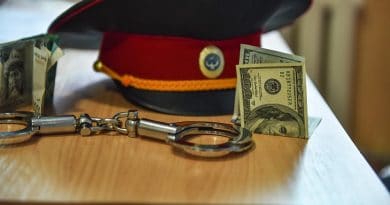
In September 2019, Nodirbek Khodzhimatov, a 29-year-old blogger from Andijan, was sentenced to 10 days of arrest for publishing an open letter to the President on his Facebook page urging him to investigate corruption at the local level. A few days before the arrest, the blogger told Ozodlik Radio that the local prosecutor pressured him, demanding to stop writing critical posts on his blog.
Shortly after, on September 23, 2019, the blogger and human rights activist Nafosat Ollashukurova was detained by police officers while she observed a peaceful protest march from Khorezm to Tashkent and broadcasted it on Facebook. Later, after an internal official stated that she “tried to commit suicide” in custody, she was forcibly placed for two months in a psychiatric hospital in Urgench. Nafosat Ollashukurova was persecuted due to her human rights activities.
In December 2019, the internal affairs authorities detained in Andijan another blogger, Abdufatto Nuritdinov (known as Otabek Nuritdinov). On December 30, 2019, the Regional Administrative court of Andijan found the blogger guilty of “disorderly conduct, libel and insult” and sentenced him to 15 days of arrest, and also fined 6.5 million sums ($700, which is almost three times more than the official monthly salary). Prior to his arrest, Otabek Nuritdinov wrote on his Facebook page about social and political events in the region. According to Ozodlik Radio, he was particularly interested in corruption and the theft of budget funds by officials of the administration of Andijan region.
Taboo
The current government and the presidential administration understand the importance of a positive image in the media much better than their predecessors. Anyway, if foreign bloggers are encouraged to write on popular and non-controversial topics, such as travel, then criticism of the authorities by local bloggers is still considered impermissible, which means that freedom of speech in the country is still severely limited.
“The state has changed its tactics in the media sphere. It abandoned the old methods of suppressing any freedom of speech and instead uses new tactics to control and manage the media,” explains the professional Uzbek journalist Sergei Naumov.
“They have the program on how to control the blogosphere in Uzbekistan. Their approach turned out to be quite successful. Today there are only a few independent journalists and bloggers in the country. The list of non-taboo topics is expanding, but there are certain topics that will never be covered,” he explains.
In Uzbekistan, the Criminal Code continues to criminalize libel and insult. The good news is that the bill, introduced by the Agency for Information and Mass Media in January 2020, proposes to abolish criminal liability for libel. However, the same bill proposes to extend the responsibility for slander to the Internet sphere, further limiting the activities of bloggers and online activists.
According to international law, states are responsible for protecting journalists and bloggers from any risks associated with their professional activities. Such risks include not only the threat of their physical integrity, but also the violation of their right to freedom of expression. Libel, in turn, should be excluded from the number of criminal offenses; instead, a reasonable and proportionate civil liability should be introduced for it.
Pandemic influence
The intention to extend the responsibility for slandering statements on the Internet is particularly worrying, given that now, in the era of COVID-19, the protection and guarantees of freedom of expression are gaining a special significance today. During the pandemic, the right to freedom of expression has become more important than ever, as states increasingly try to infringe on human rights under the pretext of fighting the pandemic. Harsh punishments are already in force in Uzbekistan, involving imprisonment of up to eight years for disseminating information that could harm the state, people, or spread panic. The wordings used in the Criminal Code are vague, general in nature and allow broad interpretation of the legal provisions and misuse them.
Because of COVID-19 pandemic, the Prosecutor General’s office created an interagency working group to identify false information about the spread of the infection in social networks. Within a few days, the group identified 33 accounts on social networks that allegedly spread false information that caused panic and “destabilized the situation”.
At the end of March 2020, the President imposed even more severe penalties for false information about the spread of the virus, increasing the maximum term of imprisonment from five to ten years. This is a deeply mistaken step, which the authorities took just when more and more messages began to appear that they were trying to hide information about the real number of people who became infected with COVID-19 and their failures while controlling the virus.
Soon, the persecution of the first blogger for his post on Facebook began. It was considered criticism of the authorities’ efforts to combat the spread of COVID-19. In May, Usmonjon Kodirov, a young blogger from Margilan, was detained by a law enforcement official for allegedly being in a public place without a mask. The Administrative court of Ferghana sentenced him to 15 days of arrest for “violating the rules of combating epidemics, disorderly conduct and failure to comply with the lawful requirements of an internal affairs officer” and was fined $160.
According to local media, before the arrest, Kodirov commented on his Facebook page the article of Ozodlik Radio about involving doctors in street cleaning in Margilan in preparation for the President’s arrival. The blogger was released after the court of appeal reduced his term to two days in custody.
For bloggers in Uzbekistan, COVID-19 may well mean the end of even the limited freedom of expression that they have been allowed to use up to this moment. As the pandemic subsides, the government and presidential administration will try to advertise Uzbekistan as one of the main tourist destinations for travelers willing to spend money. And they may not like criticism very much.