In Central Asia, restriction of free expression infringes on independent media
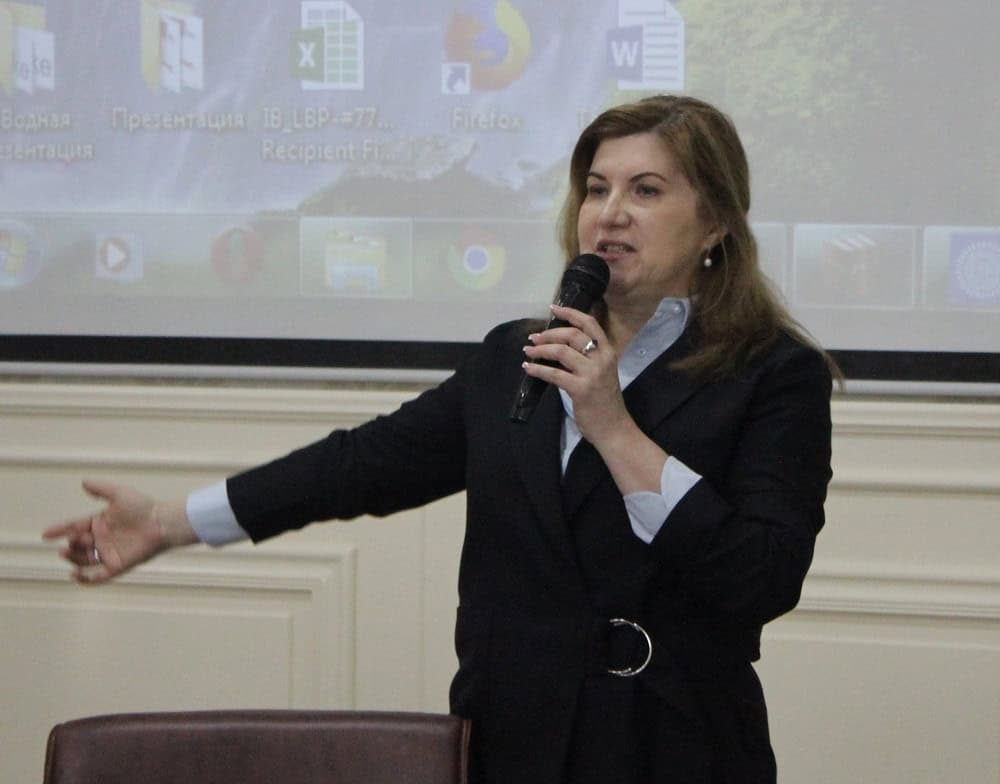
“Freedom of expression in Central Asia is criminalized,” said Inga Sikorskaya, Program director of the School of Peacekeeping and Media Technology in Central Asia (CA), at an OSCE meeting to review the implementation of human dimension commitments. The event is traditionally held in Warsaw (Poland).
In a statement from the School of Peacekeeping and Media Technologies in Central Asia, the speaker emphasized the risks that pose the main problem for the implementation of free expression. Among them, a number of instruments used by the authorities to suppress it.
“First of all, it is repressive legislation and unconvincing anti-extremist sanctions against content and public statements on socially unapproved issues,” Sikorskaya said.
According to her, the majority of humanitarian legal expertise on the qualification of controversial media content in cases is done solely at the request of the judicial and investigative authorities, interpreted in favor of the prosecution and has conflicting conclusions that serve as the basis for unreasonably restricting freedom of expression. This is especially practiced in Kazakhstan and Kyrgyzstan.
“The suppression of the right to artistic freedom of expression is also inherent in Central Asian countries. Internet memes, political caricature in Kyrgyzstan were the subject of close attention of special services and prosecutors, where the authors were called for preventive conversations,” Inga Sikorskaya notes. “In Uzbekistan, the authorities are compiling a list of foreign films banned for watching, which, in the opinion of the censors, either does not correspond to the mentality of the people or incite hatred, in accordance with repressive markers.”
Sikorskaya emphasized that the excessive interpretation of laws on inciting hatred, the lack of distinction between illegal and legal, allowed from the point of view of free expression of hate speech, is used by the authorities to suppress this freedom. Politically motivated cases in Kazakhstan, Kyrgyzstan and Tajikistan can be interpreted as “inciting hatred”.
The speaker noted a catastrophic lack of media variety and a narrow space for minorities to access information in their native language. The influence of the political agenda on freedom of expression in Central Asia also infringes on independent media and journalists.