
The authoritative religious figure Rukhiddin Fakhriddinov was released on parole. He was sentenced in 2006 to 17 years under four articles of the Criminal Code as a repeat offender. Rukhiddin was the last on the list of political prisoners of the 2014 EU resolution. On August 27, he returned home.
Together with him, activists Rustam Abdumannapov and Akrom Malik were released from prison as well. As ACCA previously wrote, their cases were examples of the authorities’ disregard for the rights of political prisoners, cited by former prisoner Agzam Turgunov in an appeal to Diego Garcia-Sayan, UN Special Rapporteur on the independence of judges and lawyers.
He noted that convicted persons on politically motivated reasons cannot obtain a review of their sentences and, therefore, have no prospects for further rehabilitation.
President of the Association for Human Rights in Central Asia, Nadezhda Atayeva, also believes that the release of prisoners is a PR program of the authorities, since they were released, but not rehabilitated.
Iskandar Khudoyberganov was released after 18 years in prison. International human rights organizations consider him a prisoner of conscience. The 28-year-old man was arrested by Tajik special services and extradited to Uzbekistan in 2002. The case, involving five more people, was heard in the Tashkent city court. The defendants were accused of organizing a criminal group to promote the ideas of religious extremism. Iskandar was additionally charged with terrorism and murder: he was allegedly trained in militant camps and met with bin Laden. The main evidence at the trial was the written testimony of the accused and witnesses, which they refused in court.
On November 28, 2002, the judge sentenced Iskandar Khudaibergenov to capital punishment, disregarding statements by the defendant and two witnesses who claimed that their testimony was obtained under torture. The judge announced in the courtroom that he would rule solely on false information received after the beatings. Later, the Supreme Court of Uzbekistan abolished the death penalty for Khudaiberganov and sentenced him to 25 years in prison.
His sister Dilobar Yerkinzoda, a human rights activist from Sweden, told ACCA that after the death of Islam Karimov, there were hopes among many prisoners who were and are in prison only because of their ideology and religion.
“By releasing people like Fakhriddinov, the Uzbek government wants to show that it will not continue the repression that it used to be,” said the human rights activist. – Political prisoners were released today. I hope to see my brother after a long time apart. I am very happy and still hope that people will no longer be imprisoned in Uzbekistan for their beliefs, criticism, and freedom of speech. ”
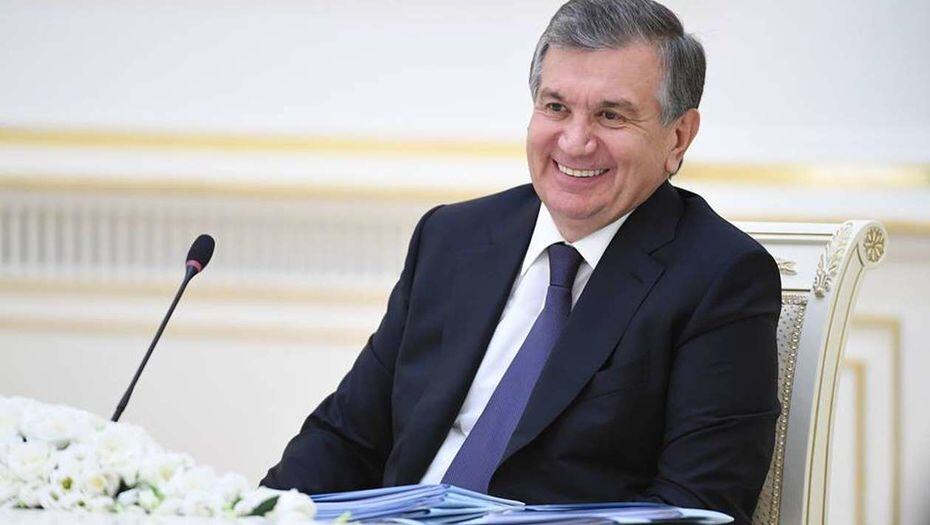
The prisoners gained freedom after the decree of President Mirziyoyev “On pardoning a group of persons serving a sentence of imprisonment, sincerely repenting of their deeds and firmly taking the path of correction.” This document, signed on the eve of celebrating the 29th anniversary of Uzbekistan’s independence, pardoned 113 citizens.


Leave feedback about this