
Members of the UN Committee against Torture at the last session in Geneva doubted the declarative statements of Akmal Saidov, director of the National Center for human rights of Uzbekistan. For 20 minutes, he repeated the same theses on positive changes in Uzbekistan in recent years under the President Shavkat Mirziyoev.
Akmal Saidov said that ten specific events have been carried out in the country on the recommendations of the United Nations, there are the Ombudsman and Parliamentary control systems, law enforcement officials are committed to international standards of work in prisons.
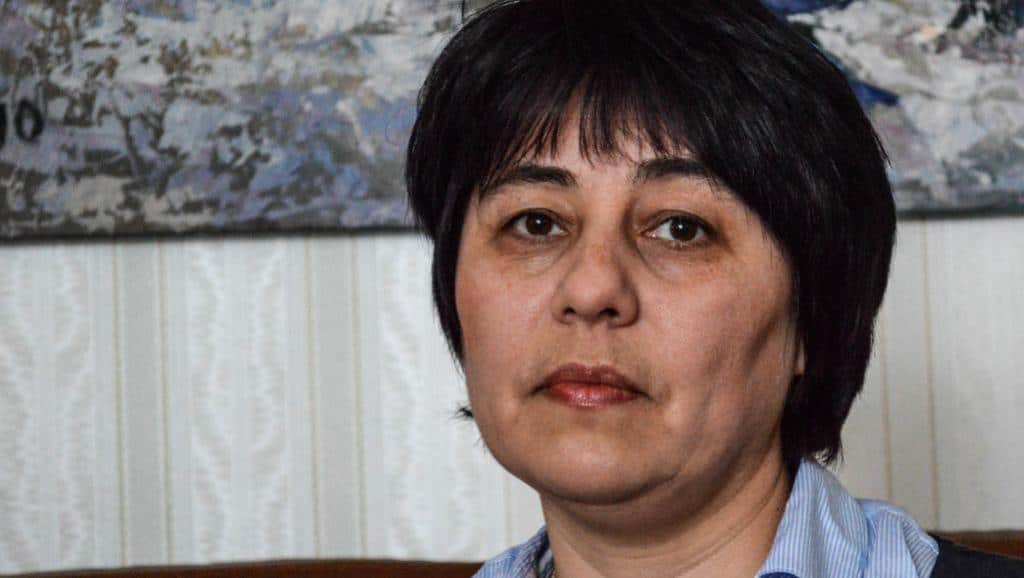
It took three minutes to refute it. Nadezhda Ataeva (the president of the Association for human rights in Central Asia) noted “the conditions of detention of prisoners in Uzbekistan are still extremely difficult and inaccessible for the constant monitoring of independent experts, and this leads to serious violations of the rights of prisoners”.
In Uzbekistan, the practice of torture and restriction of access to medical care continues, slave labor and difficult working conditions in places of detention lead to injuries. The announced reforms do not provide an urgent response from state monitoring services.
“Attempts to use existing national legal mechanisms lead to the conclusion that Uzbekistan still lacks effective means of protecting human rights. And most often, those guilty of torture and other official crimes avoid responsibility, contributing to the loss and forgery of evidence by their actions,” said the human rights activist.
Nadezhda Ataeva also cited the fact that the Ministry of Internal Affairs and the General Prosecutor’s office issue press releases with a complete denial of torture of prisoners. In response to open statements by human rights defenders and victims, it is said that “official Tashkent still perceives public appeals as a threat to the reputation of Uzbekistan on the international arena, and pressure on the victims and restriction of their rights become a response”.
The human rights activist also emphasized that information on the number of prisoners and the costs of their maintenance in Uzbekistan remains inaccessible. They remain classified and are not reflected in the main statistics. The Main Directorate for the execution of sentences is still subordinate to the Ministry of Internal Affairs of Uzbekistan, while in the colonies, the control of State Security Service operatives has resumed.
“Political prisoners, people with disabilities, people suffering from incurable and psychiatric illnesses are still in places of detention. The employees of the medical post in the colonies and in the prison hospital often ignore the treatment of prisoners, and in some cases they participate in punitive reprisals, as in colony No.5,” Ataeva said.
Recall that ACCA in its publication informed readers about the facts of the beating of prisoners in the colony for the execution of punishment No.7 of Bostanlyk district of Tashkent region. In pre-trial detention center No.1, otherwise referred to as Tashturma, the beating became ordinary. At different times of the day, electricity is selectively turned off, all surveillance cameras don’t work. Masked people burst into the cells of the so-called “youngsters”. They beat with batons young detainees and prisoners with the aim of breaking them physically and mentally.


Leave feedback about this