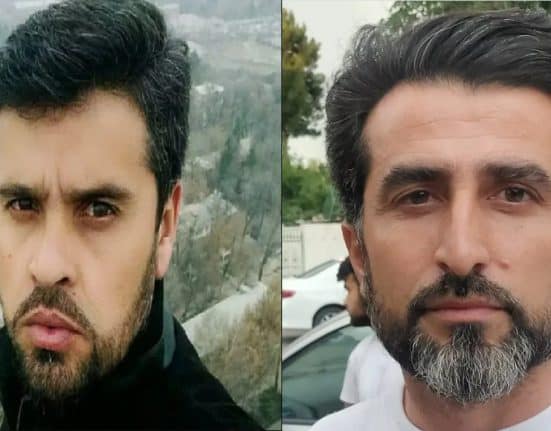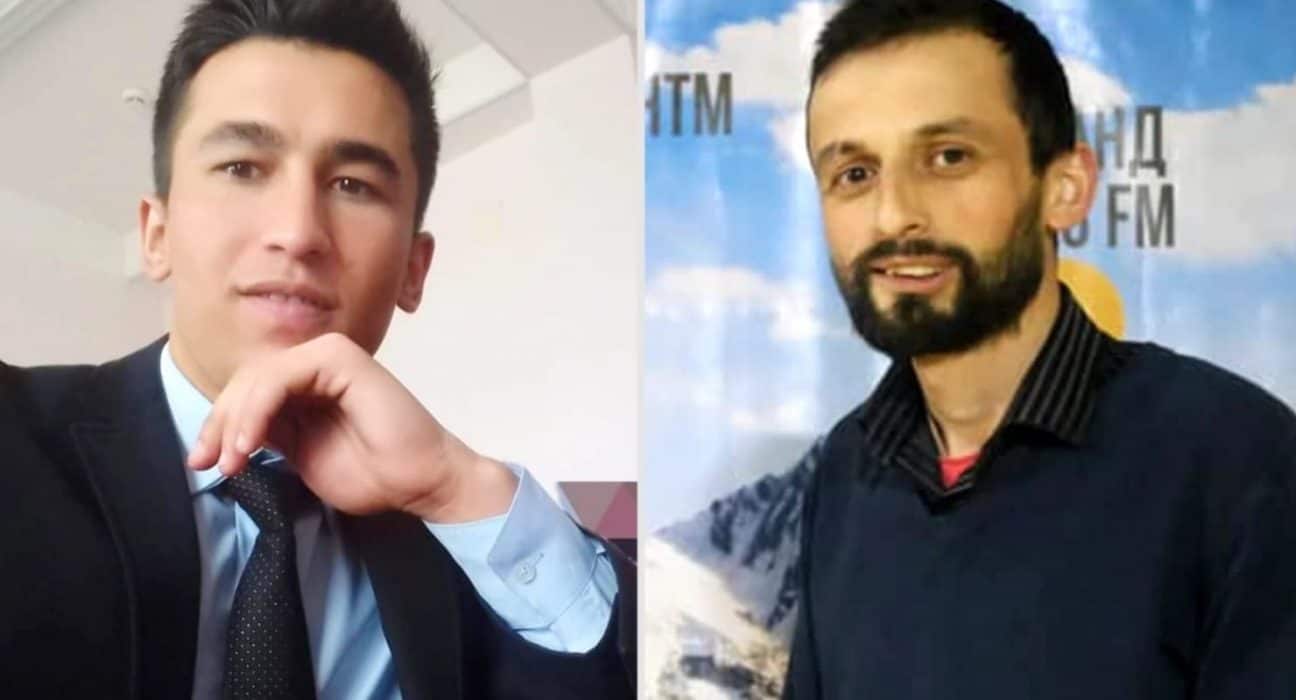
Human Rights Watch (HRW) called on the authorities of Tajikistan to release Tajik bloggers Daleri Imomali and Abdullo Gurbati immediately.
On the website of this international human rights organization today (on June 22), the material “Tajikistan: free bloggers, respect freedom of the media” was posted. It states that “Imomali and Gurbati are persecuted for their professional activities, despite the fact that they are protected by the laws of Tajikistan and international obligations regarding freedom of expression and freedom of the media”.
According to Syinat Sultanalieva (Central Asia Researcher at HRW), “Criticism of state bodies is not a crime and therefore bloggers should be immediately released and all charges against them should be dropped.”
Human Rights Watch indicates that Daleri Imomali and Abdullo Gurbati were initially detained on June 15, 2022 on charges of illegal business. Imomali was also charged with deliberate false denunciation, and Gurbati with alleged assault on a police officer, which he denies. But then, during the court session on June 18, the court added the charge to the detainees of “participation in the activities of banned political parties and organizations” under Article 307 of part 2 of the Criminal Code of the Republic of Tajikistan. Officials from the two largest banned parties in Tajikistan – the Islamic Renaissance Party of Tajikistan (IRPT) and Group 24 later denied the accusation, saying that these men have nothing to do with them.
At the same time, Daler Imomali was already detained by the police of Tajikistan. On June 4, he was interrogated about his professional activities as an independent blogger. During the interrogation, he was beaten so that he removed some of the content from his YouTube channel. The case against Daler was classified as secret, and his lawyer was forbidden to transmit any information about the progress of the investigation.
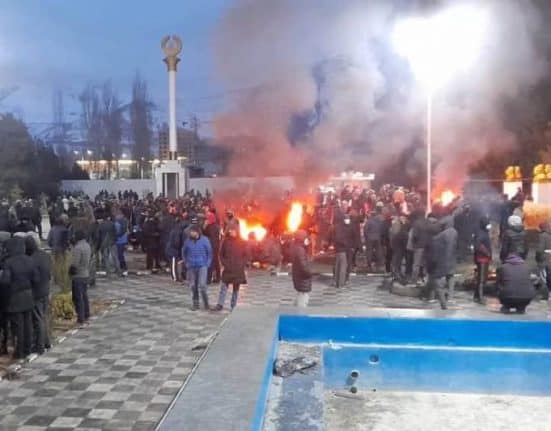
HRW also called on the authorities of Tajikistan to stop pressure on the media and journalists, expressing concern over the persecution of journalists in Tajikistan over the past month. In particular, according to Human Rights Watch, in May, the authorities of Tajikistan detained blogger Khushom Gulom and journalist Ulfathonim Mamadshoeva, originally from the Gorno-Badakhshan Autonomous oblast (GBAO), who were covering May events in the mountainous region, where there were tensions between local residents and the security forces of Tajikistan.
Journalist Mamadsulton Mavlonazarov (Muhammad Sulton) was also detained. He is a former State Security Colonel who ventured to criticize the current head of the State Committee for National Security of Tajikistan and the government’s actions during the recent protests in Badakhshan. He was taken straight out of bed and driven in an unknown direction. Only three days later, Mavlonazarov’s relatives managed to find him in the pre-trial detention center of the Internal Affairs Directorate in Dushanbe. No one knows if he has a lawyer.
The article of HRW also mentions attacks on journalists from Radio Ozodi and Present Time. “The government of Tajikistan should respect freedom of expression and stop obstructing the professional activities of journalists. Regional and international partners should call on Tajikistan to uphold its human rights obligations,” HRW said in its statement.
“For a long time, Tajikistan has been using the practice of persecuting journalists and bloggers for their critical opinions. The Communications Service of Tajikistan regularly blocks websites containing potentially critical information about the government, including the website of Radio Ozodi and Asia Plus. The authorities also regularly deny accreditation to journalists from the only independent media in the country – Tajik service of Radio Free Europe, while harassing journalists from other media for covering sensitive issues and events,” HRW said.
The authorities of Tajikistan should respect freedom of speech and stop obstructing journalists in their professional activities. The country’s regional and international partners should also demand that Tajikistan fulfill its human rights obligations.
“Critical voices and opinions are important to a democratic society, and their suppression is a violation of international human rights norms regarding freedom of speech,” says Sultanalieva. “Journalists and bloggers, who are currently in detention for their work, should be released immediately, and all charges against them must be dropped.”